Hazrat Sultan-Ul-Arfeen Sultan Muhammad Bahu
|
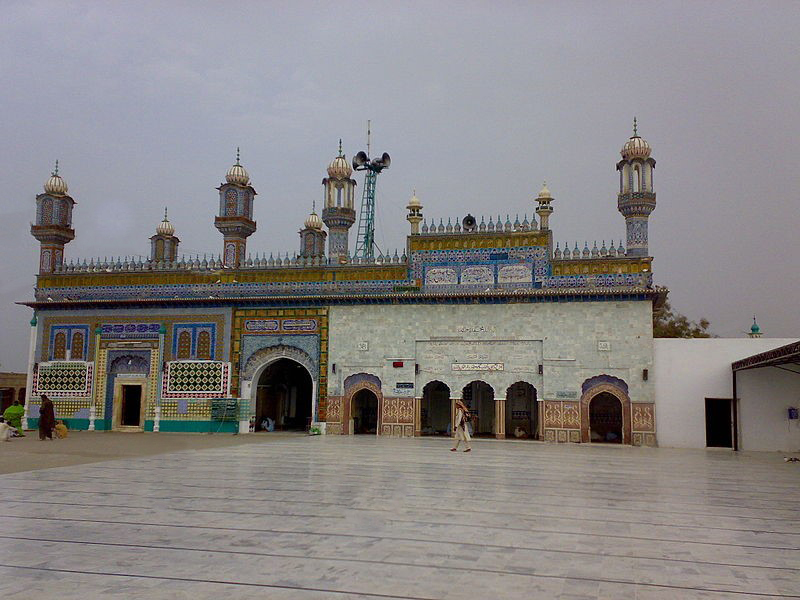 |
Hazart Sultan Bahu was born in 1039 Hijri. For his piousness, wisdom and knowledge of religion, emperor Shah Jehan awarded the father of Sultan Bahu with Kergan village, besides 15000 Bighas of land. Hazart Sultan Bahu belonged to the Awan tribe and traces back his relationship with Hazrat Ali RA through 31 generations. He was a great scholar and the greatest mystic Sufi Poet. He was a prolific writer and is said to have written as many as 140 books on Islamic Philosophy, Sufism and other related subjects. He had written his Dewan in Urdu, Persian and Punjabi. His poems are popular among the locals. It is said that he has written 140 Books such as Ain-ul-Faqr, Sagir, Aqal Bader Kabir, Aqal Badar Saghir, Kaleed-ul-Tauheed Kabir, Kaleed-ul-Tauheed Saghir, Mohabbat-ul-Israr, Israr Qadri and Amirul-Konain are some of his work in praise. Hazart Sultan Bahu died in 1102 Hijri at the age of 63 years. He was buried in the fort of Kergan at the bank of the river Chenab near Shorkot. Later with the change in the course of river Chenab his body was exhumed in 1180 Hijri and buried in another place. Again to save the grave of Sultan Bahu from the changing course of the river Chenab. His body was transferred in 1336 Hijri to his present place of Mazar in Shorkot. An annual urs in the month of Muharram is held in which people from far flung places come to pay homage to this great saint. |
Syed Mahboob Alam Shah Jewana Crori Bukhari
|
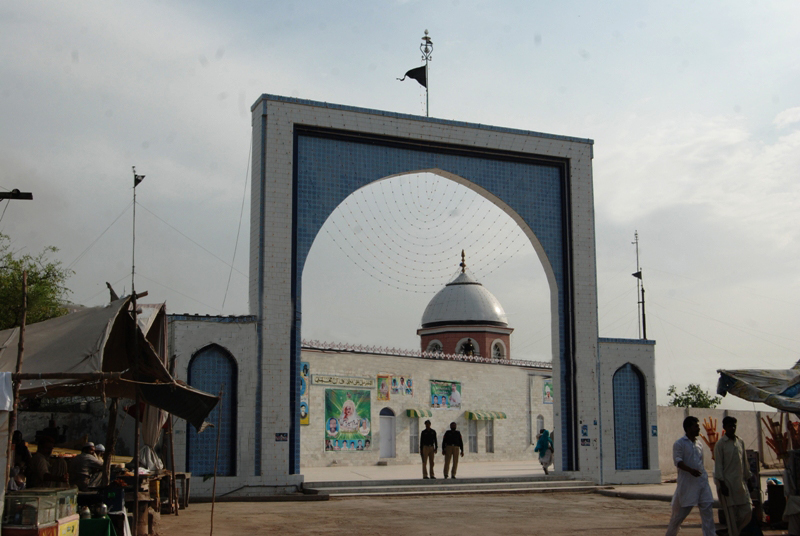 |
Hazrat Shah Jewna was born in 895 Hijri. He is the descendent of Hazrat Ali Bin Abi Talib in the 21th generation. Hazrat Mehboob Alam commonly known as Hazrat Sher Shah Jewana received early education and attained mystic training from his father and from other scholars / saints of Uch Sharif, which was a great center of Islamic learning at that time. With the permission of his father he set out on a preaching / spiritual journey when he was 21 years of age and first reached in a village Thaska Meeran of Karnal District, stayed about 6 months and shifted to Samana of Patiala state where he had laid the foundation of Mohallah Bukharian and then arrived to Lahore where he stayed for one year. During his stay in Lahore , he was directed by his grandfather Hazrat Sher Shah Jalal-ud-Din in one of his dreams, to proceed to Jhang, and Hazrat Shah Jewana arrived in Jhang in about 960 Hijri in the early period of Mughal Emperor Akbar, and settled permanently at the village later named after him as “Shah Jewna” now flourished as major populated twin cities Shah Jewna City and Shah Jewna Mandi. |
Hazar Pir Abdur Rehman
|
 |
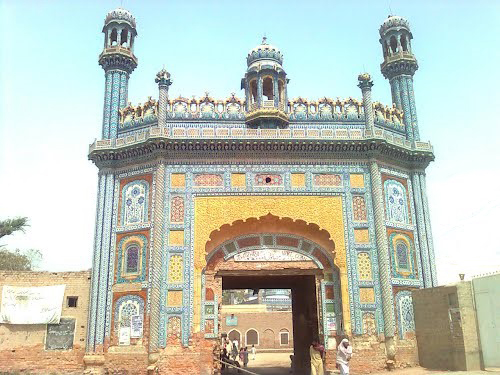
Shorkot Tehsil of Jhang district is well known for its large number of shrines of the earliest Muslim preachers and Sufi saints, who had chosen this part of the region as a base for spreading the light of Islamic message of universal brotherhood of mankind. On top of the list of those earlier saints, preachers and mujahideen, whose remains were laid to rest in one of the ancient towns of Shorkot Tehsil, is Hazrat Abdur Rehman Hashmi Qureshi, at the Qila Zawar, an ancient well-populated Hindu city, which later on was named after him as Pir Abdur Rehman. This well-populated town is situated on the west bank of the river Chenab and on the western side of the link road between Garh Maharaja and Ahmedpur Sial, where the tomb of Hazrat Abdur Rehman Hashmi Qureshi is the most visited and crowded. In and outside the shrine, there are dozens of grave / tombs of the mujahideen / warriors, preachers who arrived here under the command of Hazrat Abdur Rehman. Almost a dozen mazar / graves of his descendants also exist within the shrine area. |
Hazrat Shah Sadiq Nihang
|
 |
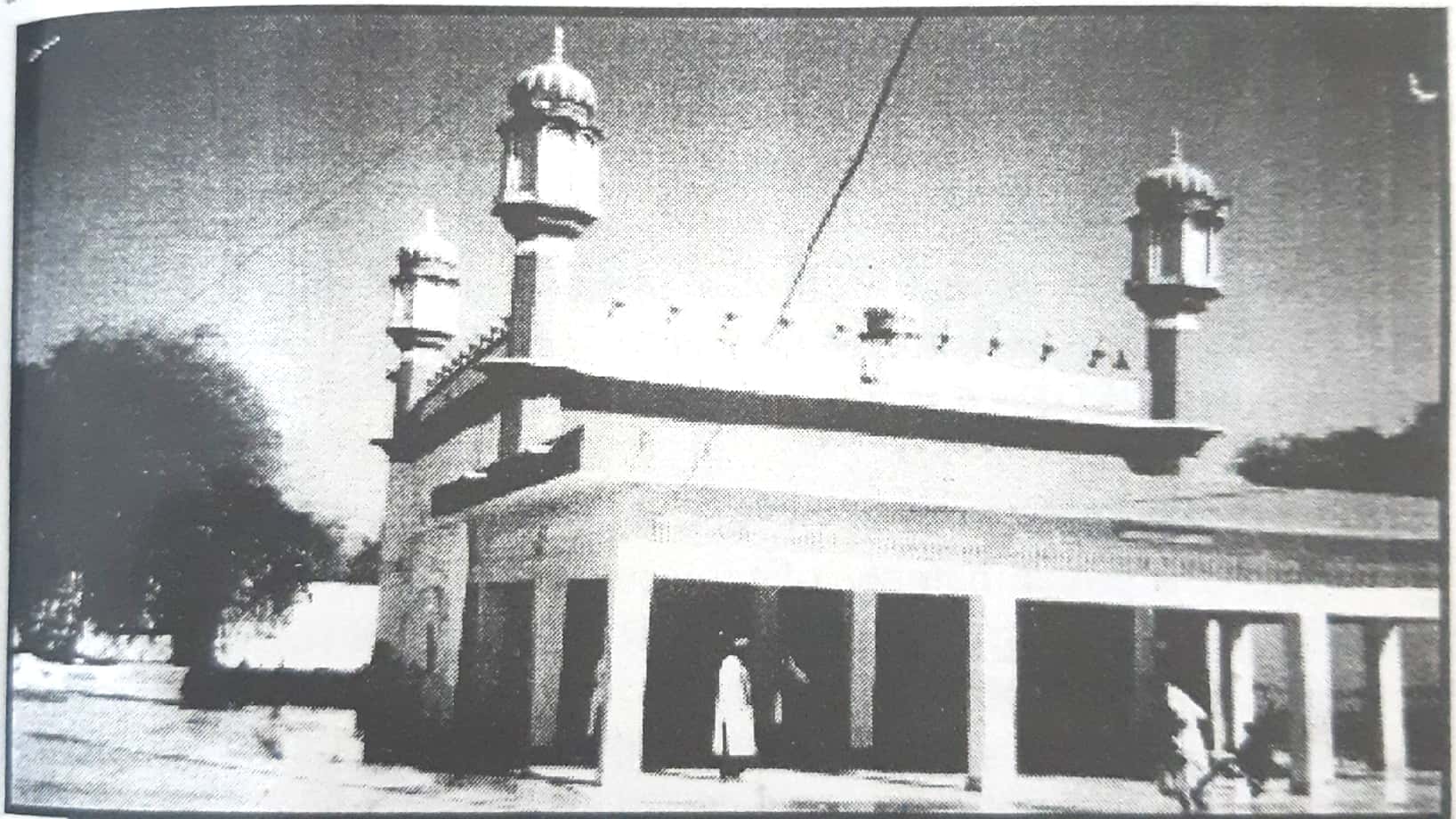
Hazrat Shah Sadiq Nihang, who was spiritually connected with Qalunderia order, died in 1181 Hijira and was buried in the Hujrah where he spent most of his time in preaching, meditating and in Dhikr (remembrance) of his creator. His tomb and some other buildings of the shrine were built first at Jalla Bherwana village but the place was in danger because of continuous floods, therefore his coffin was shifted to the present place |
Professor Abdul Salam
|
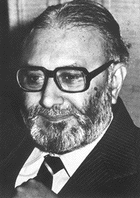 |
Professor Abdul Salam was born in Jhang on January 29, 1926. His family has a long tradition of piety and learning. He won a scholarship to Government College, University of the Punjab and took his MA in 1946. In the same year he was awarded a BA (honors) with a double, First in Mathematics and Physics in 1949. In 1950 he received the Smith's Prize from Cambridge University for the most outstanding pre-doctoral contribution to Physics. Abdul Salam returned to Pakistan in 1951 to teach mathematics at Government College, Lahore and in 1952 he received his Ph.D. in Theoretical Physics from the University of Cambridge. In 1952 he became head of the Mathematics Department of the Punjab University. In 1954 Abdul Salam left his native country for a lectureship at Cambridge and since then has visited Pakistan as an advisor on Science Policy. He was a member of the Pakistan Atomic Energy Commission, Scientific Commission of Pakistan and was Chief Scientific Advisor to the President from 1961 to 1974. He became professor of Theoretical Physics at the Imperial College of Science and Technology, London, in 1957. Abdul Salam was the first Pakistani scientist to win a Nobel Prize for their work in formulating the electrowork, which explain the unity of the weak nuclear force and electromagnetism in 1979. Dr Abdul Salam died in 1996. |
Dr Har Gobind Khorana
|
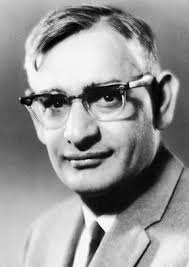 |
Professor Dr. Har Gobind Khorana was born in a small old village named “Raipur” of tehsil Shorkot of Jhang District, during partition of Indo-Pak subcontinent, he migrated to India and later shifted to America where he settled permanently, his birth place however is Jhang. Har Gobind Khorana was a biochemist who received the Nobel Prize in Physiology or Medicine in 1968. He discovered sequence of three letters (nucleotides) on RNA for specifying a particular amino acid in the polypeptide chain. |
Mehr Jiwan Khan Dab
|
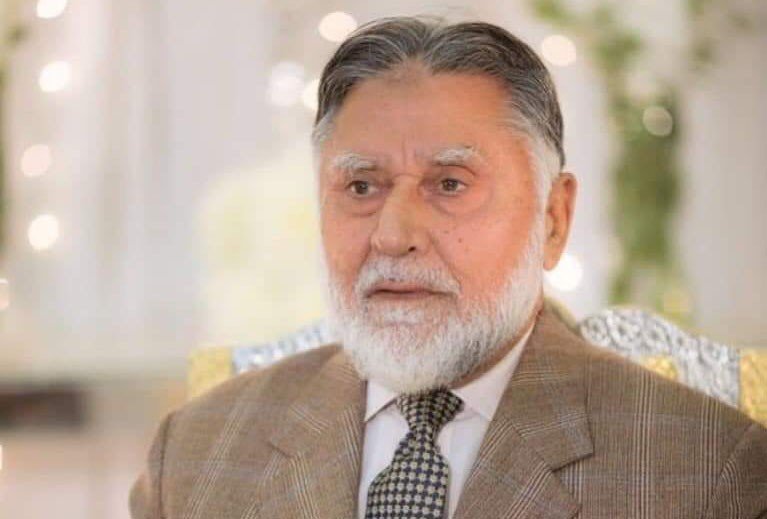 |
Mehr Jiwan Khan Dab was the most senior bureaucrat belonging to Jhang. He served as Principal Secretary to President of Pakistan, Federal Secretary of the Ministry of Interior, Additional Chief Secretary Punjab and Member Punjab Public Service Commission. He was one of the founding members of Jhang Educational Trust (J.E.T). |
| |
|
| |
|
| |
|
| |
|
| |
|
| |
|
|
Sahibzada Hameed Sultan
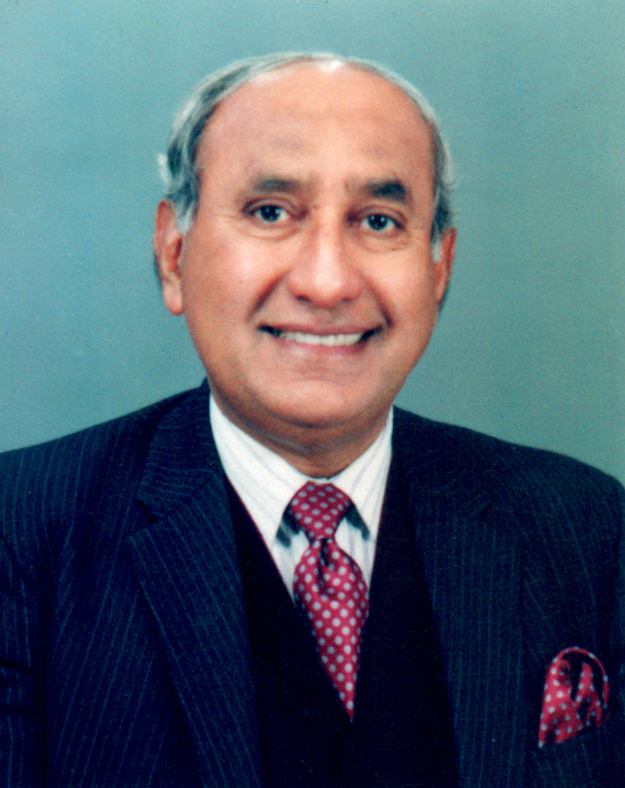 Sahibzada Hameed Sultan was a senior most bureaucrat belonging to Jhang. He served as Federal Secretary of the Labor & Manpower. He also served as Zila Nazim for two times in the previous era.
Justice Manzoor Sial
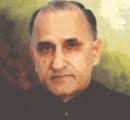 Justice (R) Manzoor Hussain Sial, graduated from Government College, Jhang in 1953. He served twice as acting Chief Justice of Lahore High Court in 1992-93. He worked as justice of the Supreme Court of Pakistan from 1933 to 1996. He also served as Provincial Ombudsman, Punjab, member of Jhang Educational Trust (J.E.T.) and the president of Anjuman-e-Himayatey Islam Lahore.
Nazeer Naji
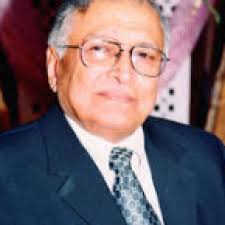 Nazeer Naji is a Pakistani senior journalist and urdu columnist. He served for 27 years for Daily Jang as a senior urdu columnist. He was formerly a chairman of the Pakistan Academy of Letters. In 2012, Naji left Jang Group and joined Daily Dunya as a Group Editor. He has been honored by Hilal-i-Imtiaz for his services in journalism.
Majeed Amjad
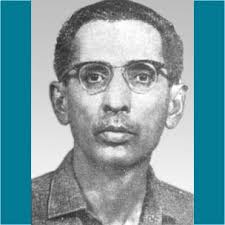 Majeed Amjad was born on June 29, 1914 in Jhang,. He is one of the greatest modern urdu poets. He is widely regarded as philosophical poet of great depth and sensitivity.
Shair Afzal Jafri
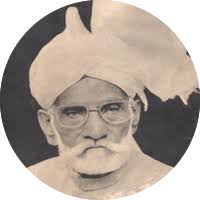 Shair Afzal Jafri is called the poet of Jhang Rang. He inculcated local colour and culture in urdu poetry.
Khawaja Muhammad Zakariya
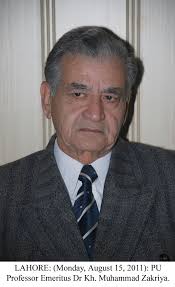 Khawaja Muhammad Zakariya, an emeritus professor of Urdu at the University of the Punjab and a famous researcher and critic also belongs to Jhang.
Ishtiaq Ahmad
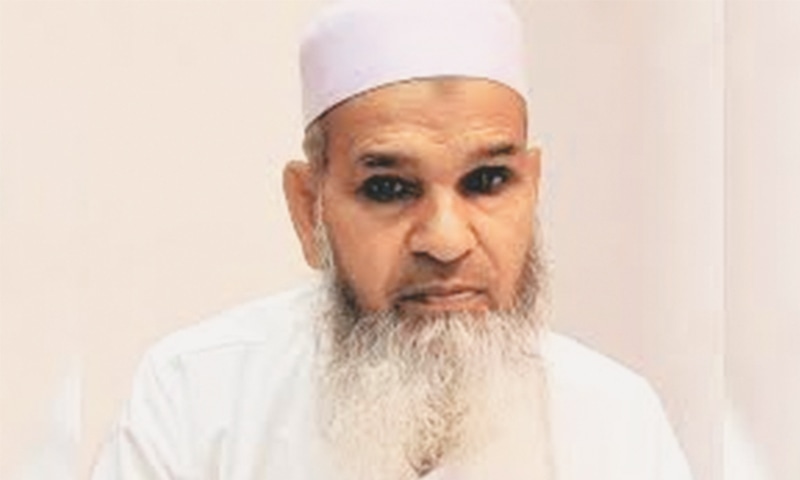 Ishtiaq Ahmad was a fiction writer famous for his thriller and detective novels in Urdu language. He started his career by writing short stories for children and then wrote his first novel in 1973. He was at his peak of popularity in the 1970s to 1990s when paper printed novels were most read. He was famous due to his Inspector Jamshed novels, Inspector Kamran Mirza novels, and Shoki Brothers novels, and sometimes a combination of all three. He was also an editor of the magazine Bachon ka Islam and wrote novels for Atlantis Publications, Karachi. He was among the first to write urdu fiction for children in Pakistan. His most famous novels include Sunehri Chatan, Jazeeray Ka Samandar, Dairay Ka Samanadar, Jeraal Series, Duniya ke us Paar, Sone ka Jahaaz.
Captain Jafar Tahir
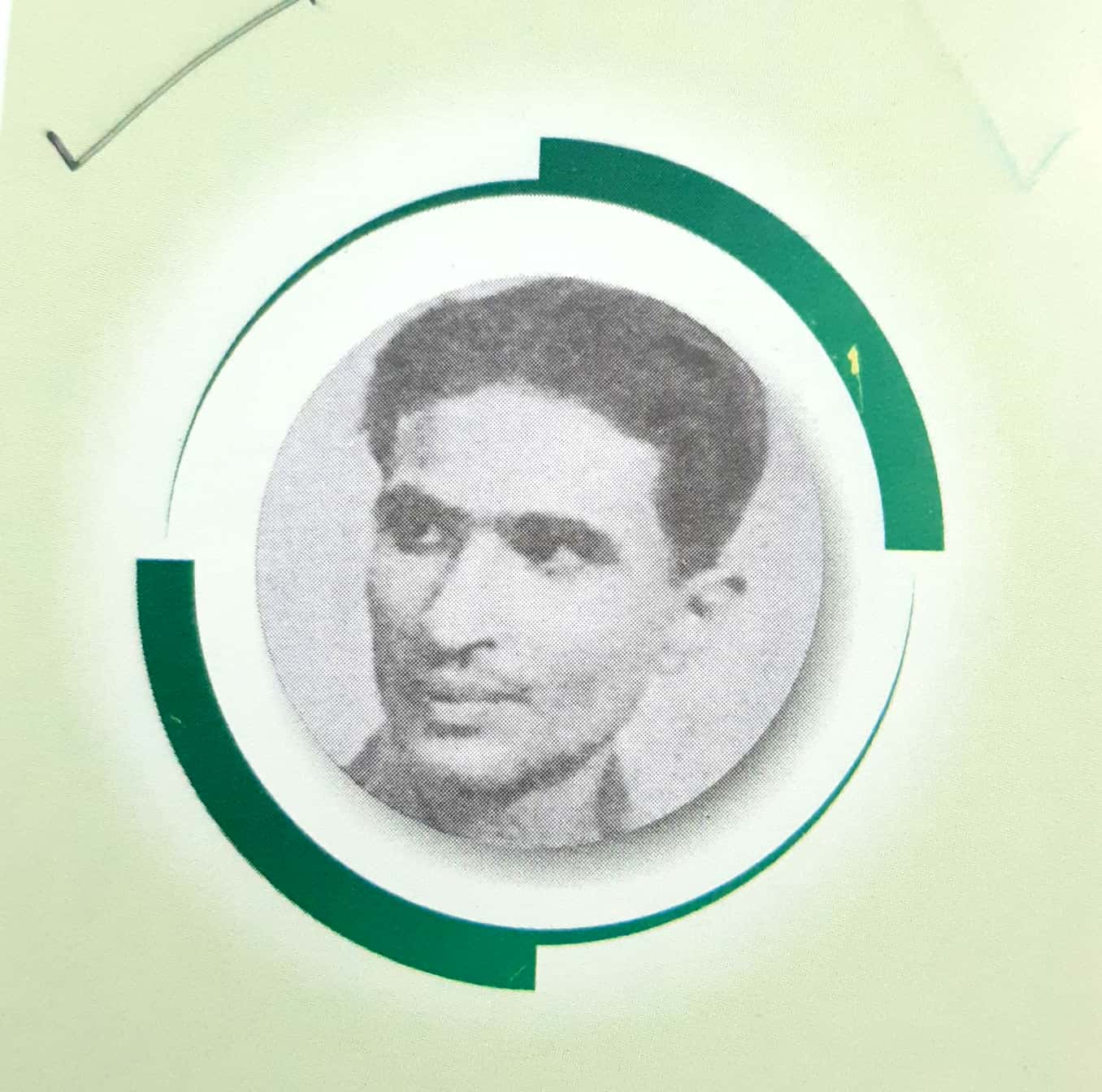 Captain Jafar Tahir, a retired army officer was born in Ahmad Pur Sial. He is a versatile poet. He introduced the Western genre “Cantos” in Urdu poetry.
Mahmood Shaam
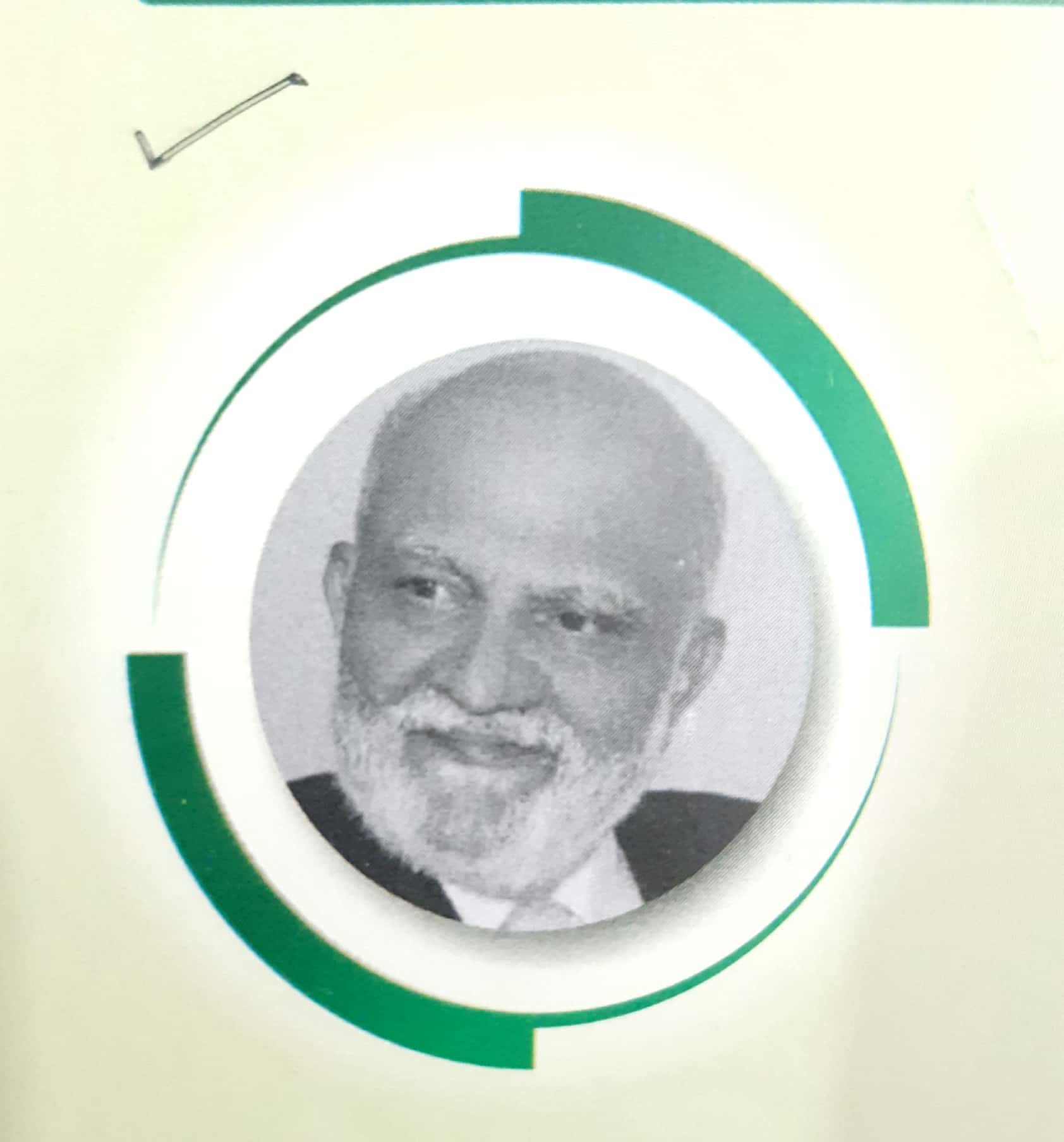 Mahmood Shaam is a journalist, poet, writer and analyst. He has interviewed National and International leaders such as Yasir Arafat, Indira Gandhi, Gerald Ford, Henry Kissinger, Sh. Mujeeb-ur-Rehman, Tun Abdul Razzak, Zulifqar Ali Bhutto, Benazir Bhutto, Maulana Bhashani, Asghar Khan, Pervez Musharraf etc. He has written many books on different subjects.
Brigadier Nusrat Shaheed
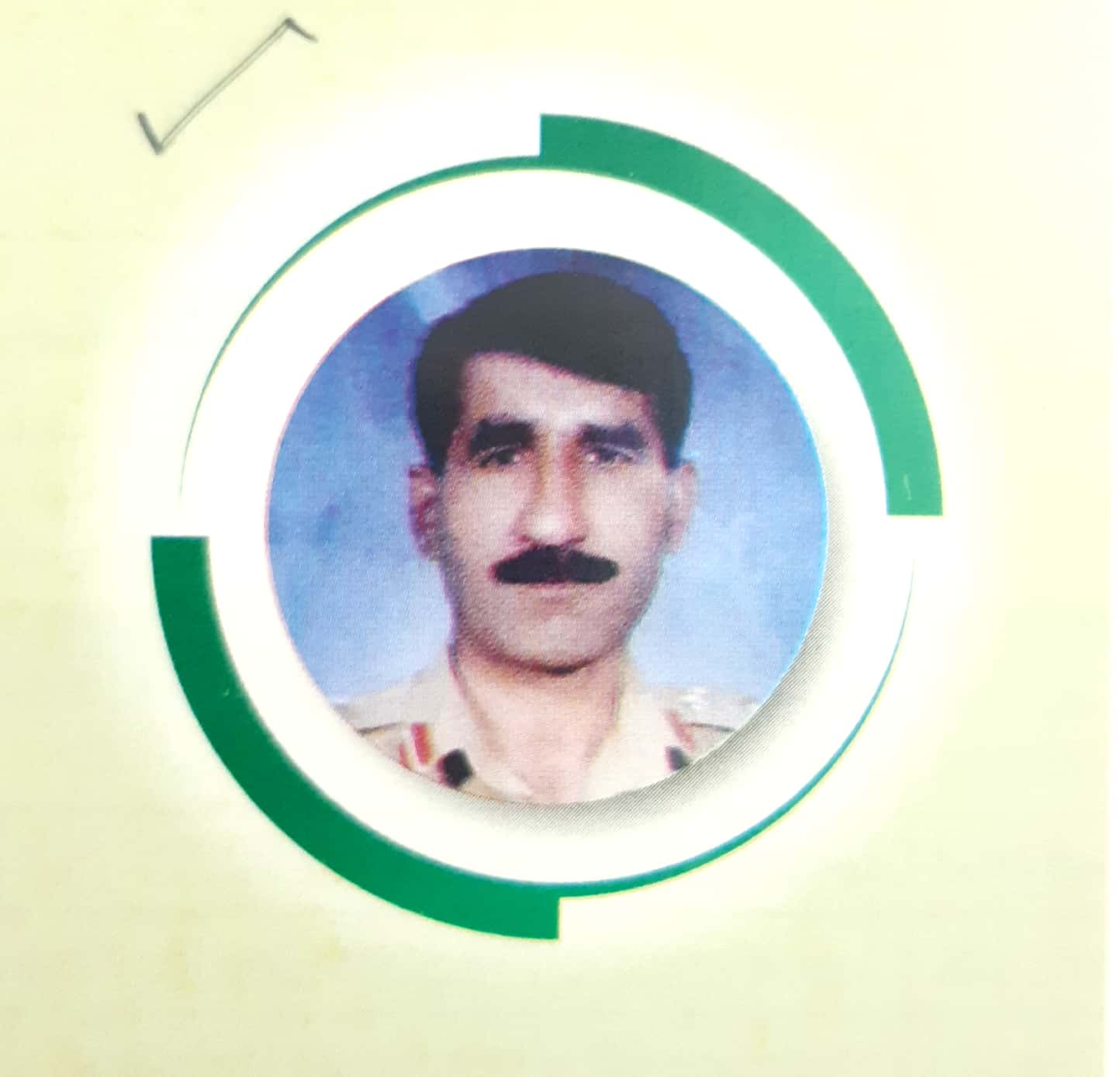 Brigadier Nusrat Sial was in charge of the indus sector of the Line of Control, Skardu region. He commanded Pakistan Army in Siachen Operation during Kargil War 1999 and embraced martyrdom in a helicopter crash. He was cited with Sitara-e-Basalat, by the Government of Pakistan, for his valour and bravery.
Mansoor Ali Malangi
 Mansoor Malangi, the great seraiki voice began his singing career from the Radio Pakistan, Lahore, in 1965. He soon rose to fame because of his unique voice and style. In the late 70s, his folk song ‘Ik Phul Motia da Mar ke Jaga Sohnie’ became an instant hit across Pakistan. His other songs ‘Kala Til Mahi da’, ‘Balocha Zalman’, Kehri Ghalti Hoi ai Zalim’, ‘Khan Ghara De’ etc have retained popularity for decades. He sang the kafis of sufi poet Khawja Ghulam Farid, which included ‘Akh Phurkandi aey’, ‘Guzar Gaya Din Sara’, ‘Ronday Umar Nibhai’, and ‘Wich Rohi De'. Malangi released more than 200 audio albums. The government awarded him the presidential pride of performance besides several cultural and national PTV awards for his services to promote seraiki folk music. He performed all over the world.
Talib Hussain Dard
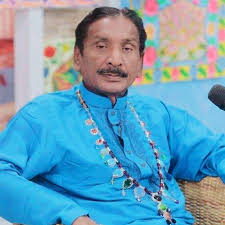 Talib Hussain Dard was a Pakistani folk singer of Punjabi and Seraiki languages belonging to Jhang. He died in March 2019.
Afzaal Ahmad
 Afzal Ahmed Khan is a famous film / drama actor, director, producer, screenwriter, costume designer, and a television host who is from Jhang.
Aleem Dar
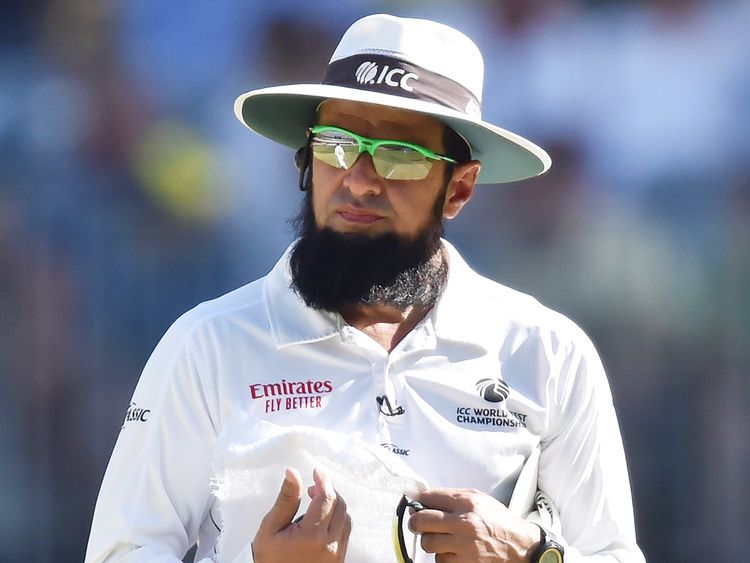 Aleem Dar is a Pakistani cricket umpire and former cricketer from district Jhang. In April 2004, he became the first Pakistani to be part of the Elite Panel of ICC Umpires. He won the David Shepherd Trophy three years in a row from 2009 to 2011, after being nominated twice in 2005 and 2006. Before becoming an umpire, he played first-class cricket as a right-handed batsman and a leg-break bowler for Allied Bank, Gujranwala, Lahore and Pakistan Railways. In December 2019, in the first match between Australia and New Zealand, Aleem stood in his 129th test match, breaking the record previously set by Steve Bucknor.
Ram Riaz
 Ram Riaz was born on January 13, 1933. His real name was Riaz Ahmed. Ram Riaz started poetry from the high school era. In 1965, he passed the graduation examination from Government College Jhang, by which time he was known as Riaz Ahmed Shagufta. The same name is mentioned on his degree. After some time, he adopted his pen name Ram Riaz. On June 10, 1986, a severe stroke left the poet permanently crippled. His first collection of poetry was published named as Pair or Pattay on 1986 and the second poetry collection was Warq e Sang.
