|
|
||||||||||||||||||||
Chenab College Jhang |
||||||||||||||||||||
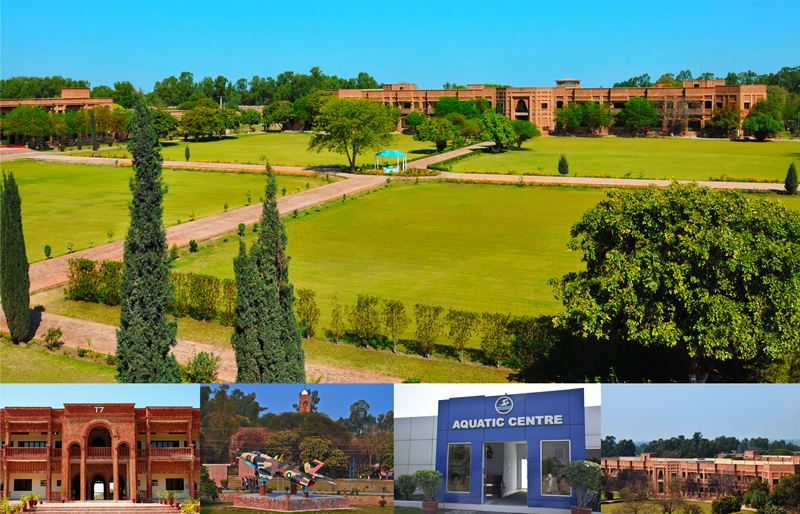 |
The college, in pursuance of the directives of Prime Minister of Pakistan and Chief Minister of Punjab, was established on self-help basis in the year 1991 to provide quality education. Chenab College Jhang is situated 12 kilometers away from District Courts Jhang Sadar on Jhang-Chiniot Road. The college estate covers an area of 208 acres, out of which 107 acres is enclosed by the boundary walls. This college has been providing quality education from last 3 decades under the umbrella of Jhang Educational Trust (JET). Headed by Deputy Commissioner / Chairman JET, it is now one of the most venerable educational institutes of the province, and has won laurels even on international level.
|
|||||||||||||||||||
Government Postgraduate College Jhang (1926) |
||||||||||||||||||||
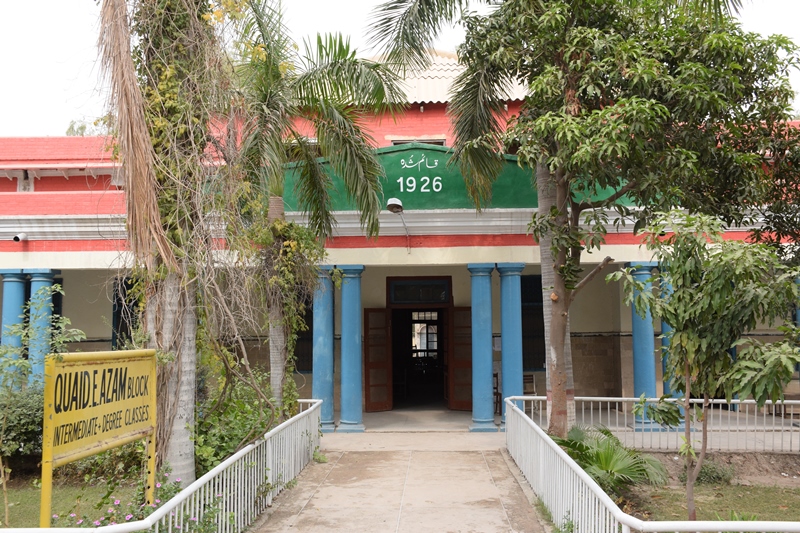 |
Government Postgraduate College Jhang is an ancient seat of learning, having glorious academic traditions. This institution was established in 1926. Primarily there were arrangements for matric and intermediate classes but in1947 at the emergence of Pakistan, B.A classes were also initiated. Later on, in 1965 B.Sc classes and in 1985 postgraduate classes were introduced as well. Now eight faculties of MA / MSc are currently functional in the college. The prestigious institution has produced and supplied the world with history making and world renowned personalities like Dr. Abdus Salam and Har Gobind Khorana (both are Nobel Laureates), Majeed Amjad (Poet), Dr. Wazir Agha (Critic), Khawaja Younas Hassan and Imtiaz Bhatti (Heroes of 1965 War) and Ahmad Tasneem (Hero of 1971 War). |
|||||||||||||||||||
Date Palm Research Sub Station |
||||||||||||||||||||
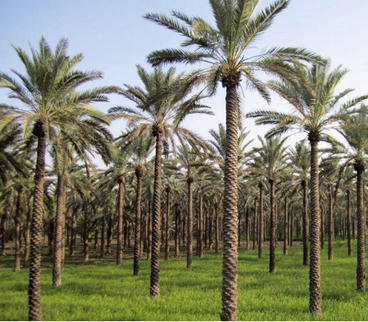 |
This station was established in 1945 when Sardar Lal Bhadar Singh selected this area due to its favorable climate which is hot and dry. In 1945 suckers of different varieties were brought from Basra (Iraq) and planted here. Present Date Palm Research Sub Station Jhang was taken by Ayub Agricultural Research Institute Faisalabad, during the year 1960-61 and has preserved the germplasm of 44 varieties of date palms including Ajwa, Amer, Barhee, Mejdool, Khalas etc.Total area of this sub-station is 52 Acres. The main objectives of the research station are the selection and acclimatization of local and exotic varieties of dates, to provide the pedigree plants to the farmers at cheaper rates, to find out the causes of various disorders and diseases in dates and their control etc. The sub station have introduced the instrument 'Pollinator' in 1981 and achieved award of Rs. 25,000 and certificates from Governor of Punjab, 37 research papers have been published of this sub-station and around 47,342 date palm trees have been provided to the farmers up till 2009-2010, it approved four varieties of date palms by Federal Seed Certification and Registration Department Islamabad during the last year. |
|||||||||||||||||||
Thal Desert |
||||||||||||||||||||
 |
Thal desert appears to be the oldest geologic formation similar in character to the Bikaner desert, of which it must at one time have formed a part when both were said to be under the sea. The origin of the Thal sand presents an interesting problem. There are similar sand dunes found in east of Qadirpur Bakhsha in Vichhan andKachhi, and that of Gilmala and Pirwala on east side of the Chenab below its junction with Jehlum, but these are believed to be purely local and have no doubt of being formed from sand deposits in old river channels. The effects of the wind, here has not been so complete as in the Thal, where rolling sand hills run in an almost uniform direction, alternating with hollows of fairly good soil. The depth of underground water is so deep that agricultural installation of wells or tube-wells is a very difficult job. However, electric tube-wells are installed and being sunk in different areas of Thal to bring good acreage of land under cultivation. |
|||||||||||||||||||
Shorkot Bhir (Mound) |
||||||||||||||||||||
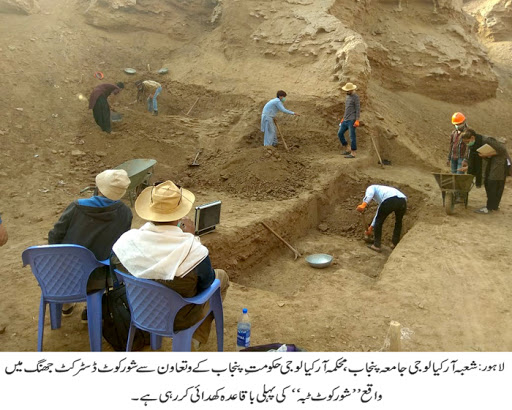 |
The mound spreading over 20 km, including 80 acres fortified area, gaining the height of 300 feet, is the greatest mound in the Indo-Pak subcontinent. At present stage double boundary wall, three towers and four main gates of the fort are available. The boundary walls are 15-20 feet wide. These pacca walls are about 4000 to 5000 years old. The fourth tower, in the south west of the four, was said to be bombarded by Muhammad bin Qasim's army in 714-A.D., with Minjnik balls, which are still sticking on the walls of the fort and witnessing the course of Arab invasion. Signs of double-walled northwest tower are still available. It seems that the center of the fort was plain ground when there were streets / bazaars all around. |
|||||||||||||||||||
Tomb of Hazrat Sultan Bahu at Garh Maharaja |
||||||||||||||||||||
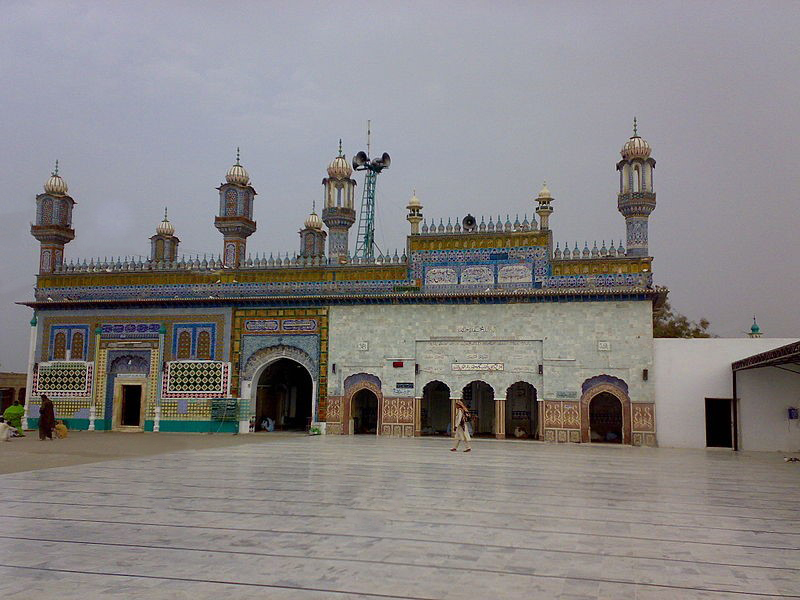 |
Hazart Sultan Bahu was born in 1039 Hijri. For his piousness, wisdom and knowledge of religion, emperor Shah Jehan awarded the father of Sultan Bahu with Kergan village, besides 15000 Bighas of land. Hazart Sultan Bahu belonged to the Awan tribe and traces back his relationship with Hazrat Ali RA through 31 generations. He was a great scholar and the greatest mystic Sufi Poet. He was a prolific writer and is said to have written as many as 140 books on Islamic Philosophy, Sufism and other related subjects. He had written his Dewan in Urdu, Persian and Punjabi. His poems are popular among the locals. It is said that he has written 140 Books such as Ain-ul-Faqr, Sagir, Aqal Bader Kabir, Aqal Badar Saghir, Kaleed-ul-Tauheed Kabir, Kaleed-ul-Tauheed Saghir, Mohabbat-ul-Israr, Israr Qadri and Amirul-Konain are some of his work in praise. Hazart Sultan Bahu died in 1102 Hijri at the age of 63 years. He was buried in the fort of Kergan at the bank of the river Chenab near Shorkot. Later with the change in the course of river Chenab his body was exhumed in 1180 Hijri and buried in another place. Again to save the grave of Sultan Bahu from the changing course of the river Chenab. His body was transferred in 1336 Hijri to his present place of Mazar in Shorkot. An annual urs in the month of Muharram is held in which people from far flung places come to pay homage to this great saint. |
|||||||||||||||||||
Tomb of Mai Baap at Shorkot |
||||||||||||||||||||
 |
Hazart Bazid Muhammad was the father of Hazrat Sultan Bahu, whose elders settled in Afghanistan but afterward he arrived in Shorkot and settled permanently at Ghar Maharaja. Hazart Sultan Bahu's mother Hazhrat Bibi Raasti was a saint and was famous in the family for her piety. Hazart Sultan Bahu's parents are buried in Shorkot, which is reputed as the Tomb of Mai Baap. |
|||||||||||||||||||
Tomb of Hazrat Shah Jewana at Shah Jewana |
||||||||||||||||||||
 |
Hazrat Shah Jewna was born in 895 Hijri. He is the descendent of Hazrat Ali Bin Abi Talib in the 21th generation. Hazrat Mehboob Alam commonly known as Hazrat Sher Shah Jewana received early education and attained mystic training from his father and from other scholars / saints of Uch Sharif, which was a great center of Islamic learning at that time. With the permission of his father he set out on a preaching / spiritual journey when he was 21 years of age and first reached in a village Thaska Meeran of Karnal District, stayed about 6 months and shifted to Samana of Patiala state where he had laid the foundation of Mohallah Bukharian and then arrived to Lahore where he stayed for one year. During his stay in Lahore , he was directed by his grandfather Hazrat Sher Shah Jalal-ud-Din in one of his dreams, to proceed to Jhang, and Hazrat Shah Jewana arrived in Jhang in about 960 Hijri in the early period of Mughal Emperor Akbar, and settled permanently at the village later named after him as “Shah Jewna” now flourished as major populated twin cities Shah Jewna City and Shah Jewna Mandi. |
|||||||||||||||||||
Tomb of Hazrat Shah Sadiq Nihang |
||||||||||||||||||||
 |
The Saint Shah Sadiq Nihang was born in Sindh and arrived in Jhang on the orders of his murshad during the reign of Mughol Emporer Aurangzaib Alamgir when he was young preacher of 25 years, to preach the deen of Islam and spread the light of righteousness there. Hazrat Shah Sadiq Nihang, who spiritually connected with Qalunderia order, died in 1181-Hijira and was buried in the Hujrah where he spent most of the time preaching, meditating and engaging in the remembrance of his creator. His tomb and some other buildings of the shrine were built first at Jalla Bherwana village but the place was in danger because of continuous floods, therefore his coffin was shifted to the present place, which was later named after him as Shah Sadiq Nihang Town. |
|||||||||||||||||||
Tomb of Pir Abdur-Rehman at Peer Abdur-Rehman |
||||||||||||||||||||
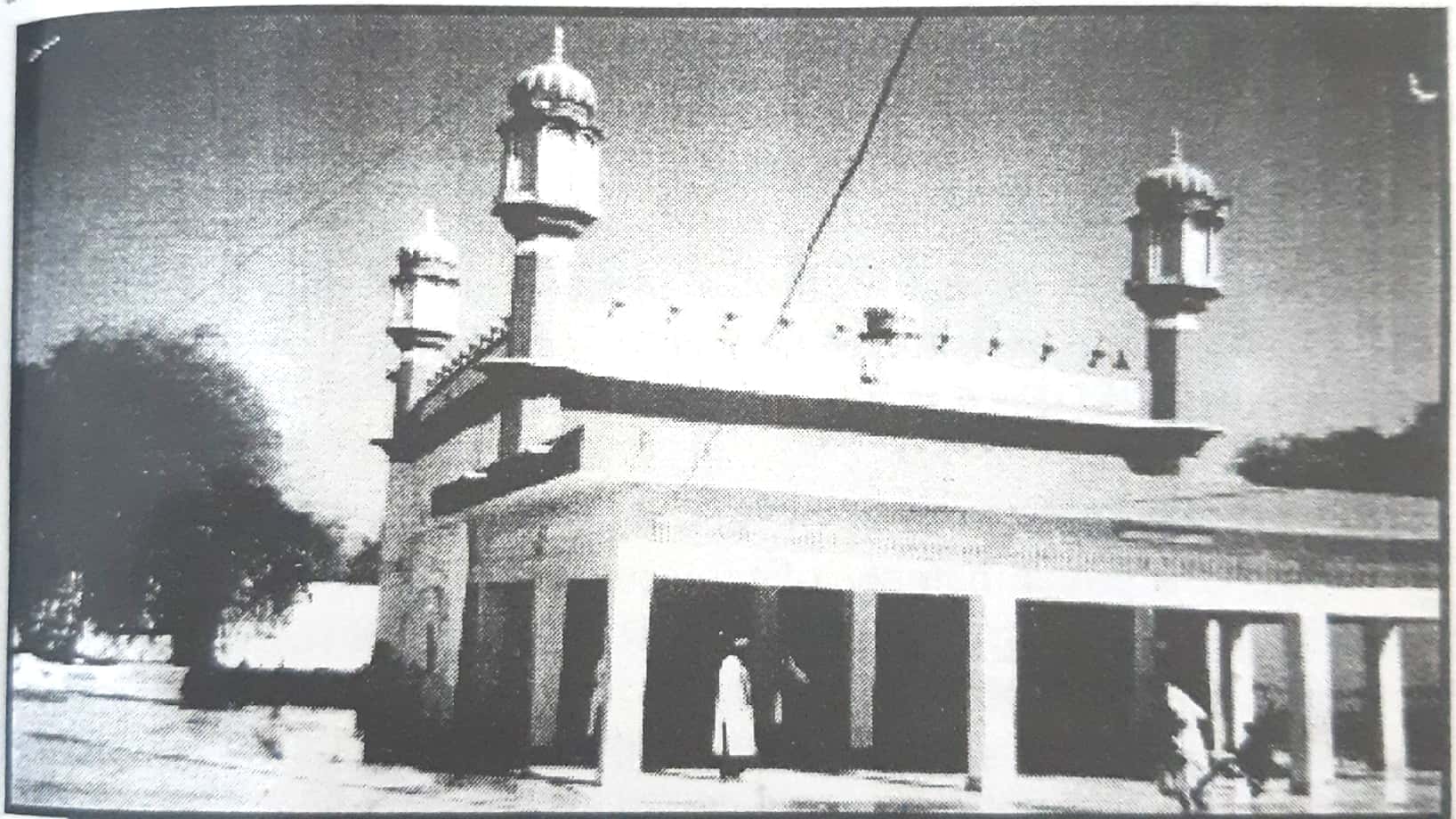 |
Shorkot Tehsil of Jhang district is well known for its large number of shrines of the earliest Muslim preachers and Sufi saints, who had chosen this part of the region as a base for spreading the light of Islamic message of universal brotherhood of mankind. On top of the list of those earlier saints, preachers and mujahideen, whose remains were laid to rest in one of the ancient towns of Shorkot Tehsil, is Hazrat Abdur Rehman Hashmi Qureshi, at the Qila Zawar, an ancient well-populated Hindu city, which later on was named after him as Pir Abdur Rehman. This well-populated town is situated on the west bank of the river Chenab and on the western side of the link road between Garh Maharaja and Ahmedpur Sial, where the tomb of Hazrat Abdur Rehman Hashmi Qureshi is the most visited and crowded. In and outside the shrine, there are dozens of grave / tombs of the mujahideen / warriors, preachers who arrived here under the command of Hazrat Abdur Rehman. Almost a dozen mazar / graves of his descendants also exist within the shrine area. |
|||||||||||||||||||
Tomb of Mai Heer at Jhang |
||||||||||||||||||||
 |
Just north of Jhang, east of the road to Faisalabad is an ancient square tomb, half roofed with an unfinished dome which reaches little more than a foot above the wrapping of the arch. This is Heer's tomb, the heroine of the famous love story of Heer-Ranjha. She was from the Chuchkana Sial family. It is less certain which Khera tribe was Heer betrothed into as it is not identified among the tribes of district. The book Heer Waris Shah written by Waris Shah is very comprehensive and popular and gives a detailed account of those times and into the culture of Punjab besides describing the love story itself. A fair is held at the tomb of Heer every year. |
|||||||||||||||||||
Tomb of Mirza Sahiban |
||||||||||||||||||||
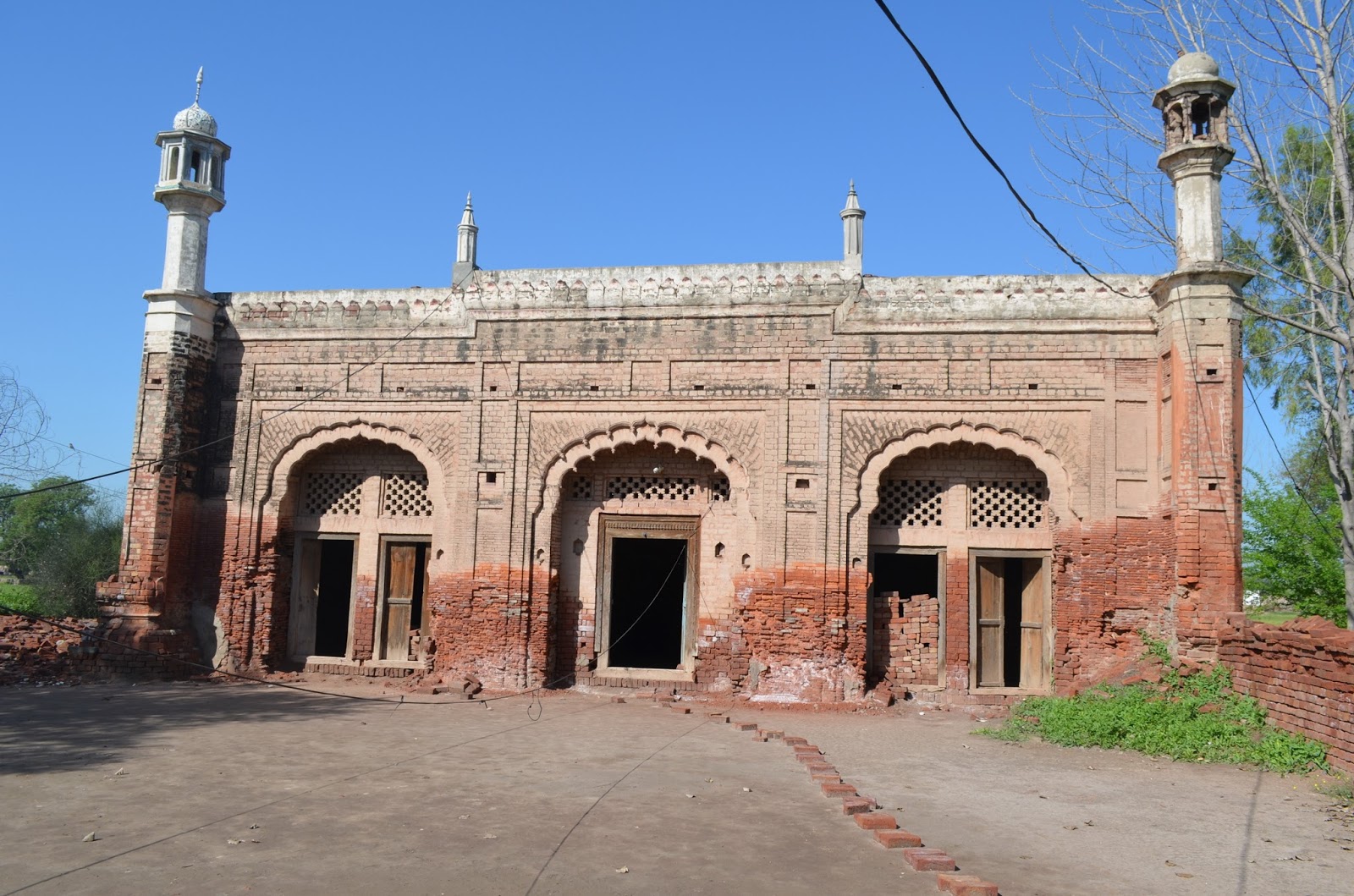 |
Mirza Sahiba is one of the most popular tragic romances story of Punjab. The popular story was written by Pilu. Mirza and Sahiba were lovers who lived in Khewa, a town in the Jhang District. |
|||||||||||||||||||
Jhang City |
||||||||||||||||||||
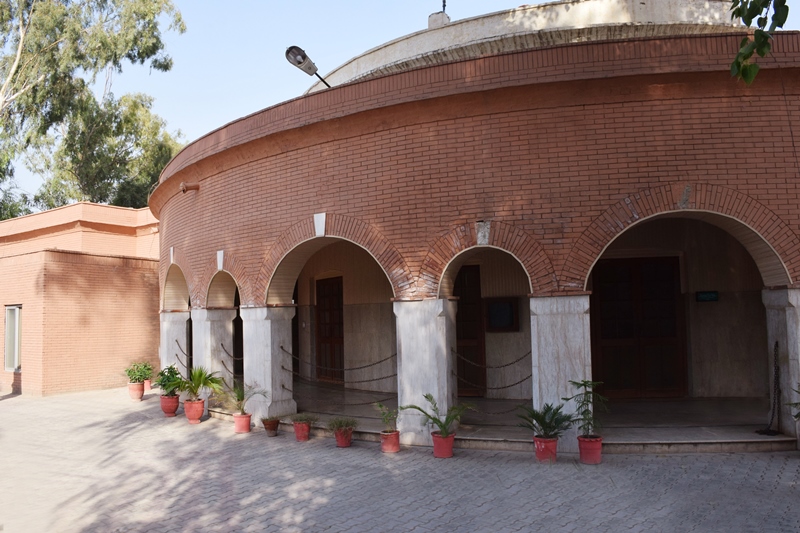 |
The Shrine of Nur Shah said to have been founded in 1462 A.D by Mal Khan, the ninth in descent from the Sial rulers. The present city was founded during the reign of Aurangzeb in 1688 A.D. by a Sanyasi Fakir Lal Nath. As the capital of the Sial state, Jhang had in former days comparatively more importance than at present. Maghiana was a small village which has been considerably developed since then. Jhang comprises of three parts namely Jhang City, Jhang Sadar and Satellite Town with two separate railway stations on the Sargodha Shorkot Road Khanewal Branch Line. Both these parts are connected by 8 kilometers metal road. The city is situated at a distance of about 7 kilometers from a bund which has been constructed on the west of the city to protect it from flood. The area of the city is about 16 square kilometers. The civic affairs of the city are administered by the Municipal Corporation. The important local products are hand looms and power looms cloth, blankets, carpets, and suiting cloths manufactured at Jhang Woolen Centre. Beside, there is a government woolen factory for the manufacture of carpets and blankets. There are two grain markets and a vegetable market in the city. |
|||||||||||||||||||
Shorkot City |
||||||||||||||||||||
|
Shorkot, the headquarters of the Tehsil of that name is situated at a distance of 60 km towards the south of Jhang City connected by a metal road. Shorkot is a historical city, it was conquered by Muhammad Bin Qasim. The nearest railway station is Shorkot Cantt Junction, but people generally prefer to travel to Shorkot by road. The civic affairs are administrated by a Municipal Committee. The mound of Shorkot, though now of little importance is of antiquity. The mound appears to have been the citadel of an old town. It is said that this town was destroyed by some raiders about 1300 years ago. Coins of the reign of Ashoka were found from this mound. |
|||||||||||||||||||
Ahmad Pur Sial City |
||||||||||||||||||||
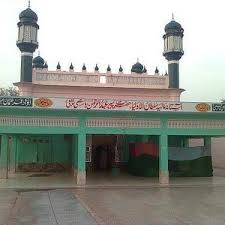 |
Ahmad Pur Sial is one of the oldest towns of Jhang and 103 km away from head quarter Jhang. It is situated in between Muzaffargarh and Jhang. Tehsil Ahmad Pur Sial consists of 16 union councils and two municipal committees Ahmad Pur Sial and Garh Maharaja. Shrine of Hazrat Sultan Bahu and Hazrat Pir Abdul Rehman also exist in this Tehsil. |
|||||||||||||||||||